Playa Panamá & Gulf of Papagayo: Relocation & Living Guide for Canadians
Stretching from the tranquil tree-shaded shoreline of Playa Panamá to the master-planned Peninsula Papagayo luxury enclave, offering glass-calm bay waters and high privacy.
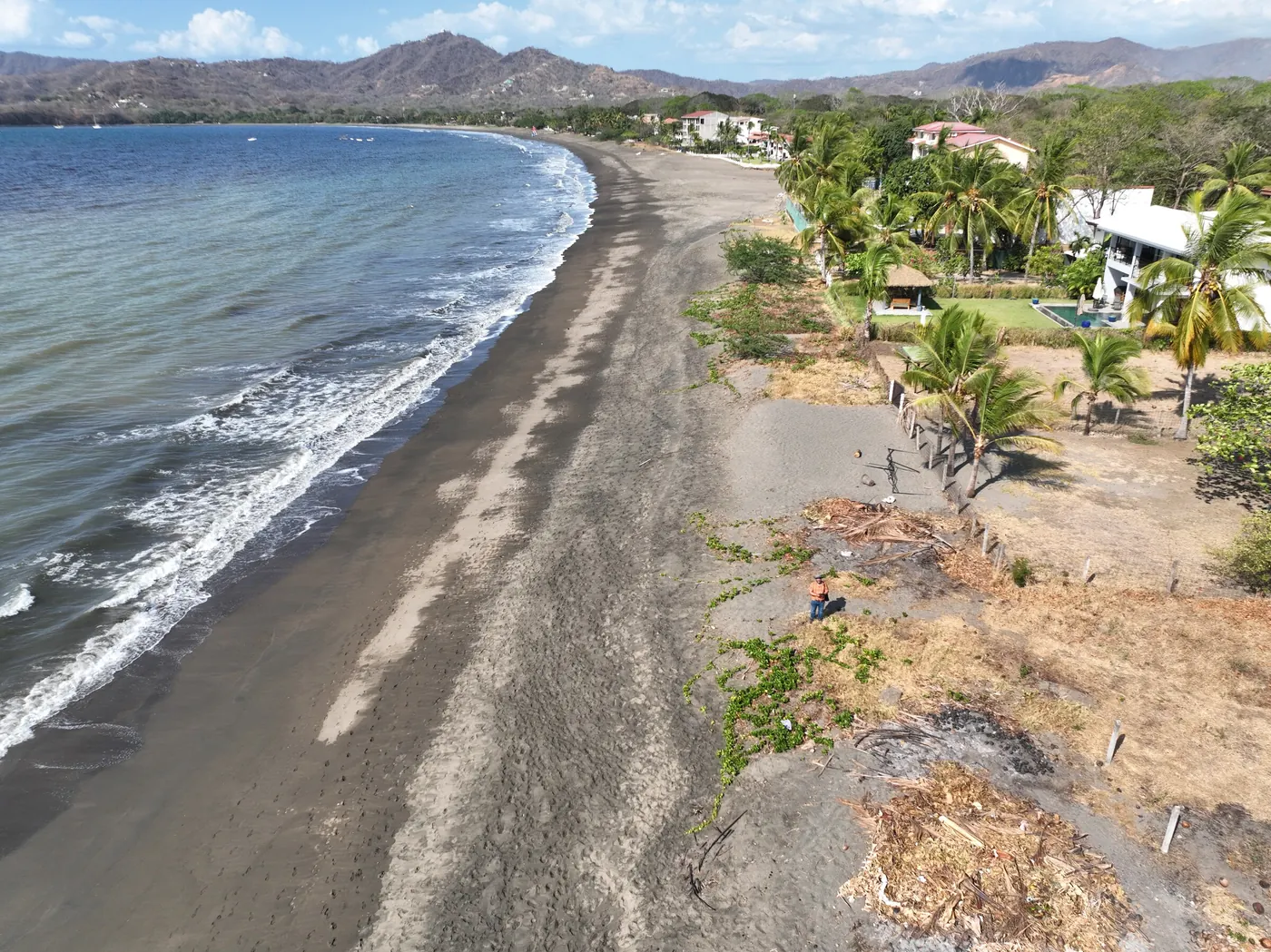
North of Playa Hermosa, the coastline curves around Culebra Bay and Playa Panamá toward the master-planned Peninsula Papagayo resort enclave. Playa Panamá is prized for its wide, tree-shaded beach and glass-calm water, while Peninsula Papagayo operates as an ultra-luxury gated resort peninsula (home to Four Seasons, Andaz, and Marina Papagayo).
For relocating Canadians, the distinction is important: Playa Panamá offers middle-to-upper residential condos and hillside homes within 20 minutes of LIR airport, whereas Peninsula Papagayo is an ultra-high-net-worth resort community with seven-figure entry prices.
8-Point Community Evaluation Framework: Playa Panamá & Gulf of Papagayo
Every community guide on CanadaCostaRica.com applies the same eight-point analytical framework so you can compare towns on consistent criteria rather than marketing slogans. Cost examples are dated October 2026 in U.S. Dollars (USD) (approx. 1.00 USD = 1.38 CAD).
In Playa Panamá, 2–3 bedroom condos and townhomes range from $310,000 to $650,000 USD (long-term rentals $1,700–$3,200 USD/month, October 2026). Inside Peninsula Papagayo, luxury residences and villas generally start above $2.5M–$5M+ USD.
Playa Panamá has very limited retail; residents drive 12–15 minutes to Playas del Coco for Auto Mercado, banks, and pharmacies. A vehicle is mandatory.
Very close to Hospital CIMA Guanacaste (15–25 minutes via paved highway toward LIR airport).
15–30 minutes to bilingual schools in the Comunidad/Liberia corridor.
Playa Panamá's shoreline is flat and shaded for beach walks, but residential developments are spread out along coastal hills requiring a car.
Protected inside Culebra Bay, water stays remarkably calm almost 365 days a year. Dry season brings warm temperatures and breezy afternoons.
Low-density, quiet residential atmosphere during the week; popular with Costa Rican families picnicking under the beach trees on weekends.
Best suited for: Buyers who prioritize proximity to LIR airport and glass-calm bay water over town walkability. Less suited for: Anyone wanting a lively walkable town center.
Compare Other Guanacaste & Central Valley Communities
Download “The Canada-to-Costa Rica Moving Checklist” & Plan Your Move
Organize your relocation around research, professional tax and legal advice, a structured scouting visit, housing decisions, Canadian departure preparation, and arrival in Costa Rica.
What the 6-Stage Moving Checklist Covers:
- Stage 1 — Canadian Groundwork: Provincial health rules (OHIP, MSP, RAMQ, AHCIP), CRA tax-residency checklist, and document apostilles/authentications.
- Stage 2 — Professional Consultations: Questions for cross-border tax accountants and Colegio-registered Costa Rican immigration attorneys.
- Stage 3 — The Scouting Visit: Dry-season vs. green-season community comparisons in Guanacaste and the Central Valley.
- Stage 4 — Housing Decisions: Renting first vs. buying, Registro Nacional title checks, and condominium HOA due diligence.
- Stage 5 — Departure Preparation: Banking, pensions (CPP/OAS), prescriptions, pets (CFIA health certificates), and shipping vs. buying locally.
- Stage 6 — Arrival & Settling In: Utilities, fiber internet, driver's licence homologation, and DIMEX / CCSS enrollment.
Optional Relocation & Housing Inquiry
Tell us about your timeline and questions. Newsletter subscription and property follow-up are completely separate choices, and we never share your inquiry with an outside professional or business without your explicit permission.